
Refusing Distraction
on distraction, comfort, and the quiet cost of looking away.
1/11/20262 min read
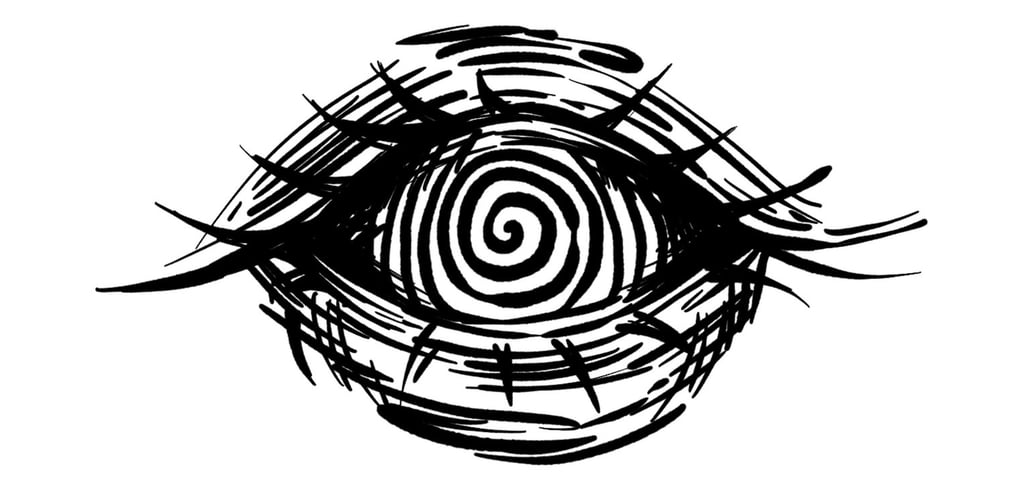
I want to start this from a more honest place, because for most people distraction isn't some moral failure or lack of awareness, it's just how you get through the day. Most people I know are working constantly, taking care of other people, juggling responsibilities, trying to stay afloat in a system that doesn't leave much room to slow down, so when they finally get a moment to themselves it makes sense that they reach for something easy, something numbing, something that doesn't ask anything of them.
That doesn't make anyone weak. It makes them tired.
So when I talk about distraction, I'm not talking about people being lazy or checked out or unwilling to see what's going on. I'm talking about a society that keeps people busy enough, stressed enough, with piled responsibility that there's very little space left to sit with what's actually happening, either internally or around them. Distraction fills that space almost automatically.
It shows up as constant noise, constant input, entertainment, scrolling, productivity, even positivity. The message is usually the same no matter how it's packaged -- keep moving, don't linger, don't dwell, stay functional. And to be fair, that message works. It helps people keep their jobs, take care of their families, meet their obligations, survive.
That's not an accident, that's what the system was designed to do.
If you're exhausted enough, distracted enough, focused enough on the next thing you have to get done, you don't really have time to ask bigger questions or feel how heavy things actually are. You just keep going. Not because you don't care, but because stopping feels like a luxury you can't afford.
The problem isn't using distraction to cope. The problem is who actually gets the luxury of calling distraction a choice in the first place. There's a difference between someone who's exhausted and reaching for relief, and someone who has time, money, and insulation from consequences and still chooses not to look outward.
And to be fair, people with wealth aren't taught anything different. They're taught to protect what's theirs, to keep money in the family, to preserve what previous generations built. They're surrounded by advisors, institutions, and systems designed to make accumulation feel responsible instead of excessive. Hoarding gets reframed as foresight. Stability gets framed as moral. Looking outward gets framed as risk.
So distraction works differently there. It isn't about survival, it's about preservation. About staying focused on what's immediately yours -- your family, your assets, your interior life -- and treating everything else as abstract or unfortunate but ultimately unrelated...
When you're insulated enough from harm, ignoring it stops being neutral. It becomes a choice. And the more comfortable you are, the easier it is to call that choice wisdom, or positivity, or staying out of things that don't concern you.
The system depends on both ends of that spectrum. On one end, people are too busy surviving to slow down. On the other, people are comfortable enough to look away. Both keep things running exactly how they are.
Discomfort only becomes visible when you stay close to it, and staying close to it isn't something everyone is forced to do. Some people are taught very carefully how not to.
Refusing distraction, for me, isn't about blaming people who are tired. It's about recognizing that comfort changes what we're responsible for, and that choosing not to look is still a choice.